Boston Children’s fit kit knowledge check
Nutrition
Popular Search Terms


Nutrition
Nutrition
 The Boston Children’s fit kit offers strategies, tools, and activities on five key topics — nutrition, fitness, sedentary time, sleep, and stress — to help families live healthy, active lifestyles. Learn about the Boston Children’s fit kit or keep reading below to dig into nutrition.
Nutrition is all about eating a healthy and balanced diet. Many people have a negative association with the word diet. However, the true meaning of the word in Latin is “way of life.” Families have the opportunity to instill healthy eating habits in children that will last a lifetime.
Parents and researchers alike agree that good nutrition includes vegetables, fruits, proteins, beans, and healthy fats. However, as lifestyles have changed, we’ve seen children eating too little nutrient-rich food and too much sugar.
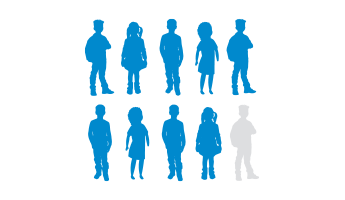
More than 9 out of 10 children and teens eat fewer than the recommended amounts of vegetables.
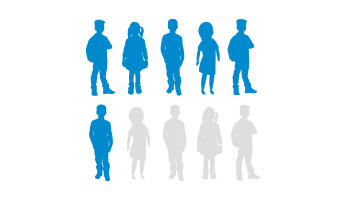
About 6 out of 10 children, and more than 9 out of 10 teens, eat fewer than the recommended amounts of fruits.
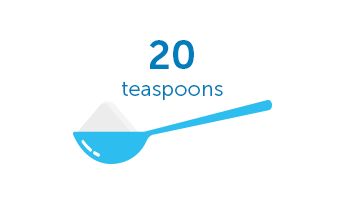
Children and teens in the U.S. consume about 20 teaspoons per day of added sugars, on average, when you should strive for no more than five.
Children, and sometimes their parents, may not be aware of some of the common sources of added sugars. They’re not just in candy and soda — added sugars can be found in many foods and beverages including cereal, yogurt, bread, and sports drinks.
Approaching food as something to explore, focusing on healthy choices rather than calories, potentially opens all family members to enjoying healthy foods. Be adventurous: try new foods, experiment with new recipes, and enjoy new flavors.
If you run into any words or terms here that you don’t know, check out our nutrition glossary for help.
What is a healthy diet for kids?
At the New Balance Foundation Obesity Prevention Center, we recommend the low-glycemic diet to help families make good choices. We have conducted research showing this diet is good for general health in people of all ages, including kids. The low-glycemic diet can improve blood sugar levels, curb appetite, raise energy levels, keep you mentally sharp, and improve overall health.
Main messages
Using the Boston Children’s fit kit, kids learn these messages to develop healthier eating habits, while following a low-glycemic diet. Follow the links below to learn more about meals, snacks, and beverages.
Image

Eat balanced meals — follow a plate model
Image

Eat paired snacks when hungry between meals
Image

Stop and think before you drink sugary beverages — drink water instead
Stay off the roller coaster
Carbohydrates, or carbs for short, are in many foods. Carbs break down into sugar. The sugar goes into the blood and travels throughout the body.
Carbs in foods, such as white bread and saltine crackers, that break down to sugar quickly are called high-glycemic carbs. The problem with high-glycemic carbs is that they make your blood sugar go up and down too fast.
The low-glycemic way of eating is all about choosing low-glycemic carbs rather than high-glycemic carbs.
Besides carbohydrates, the body also gets energy from proteins — like eggs, cheese, yogurt, fish, chicken, and meat — and from fats — like olive oil, nuts, and spreads. These foods do not turn into sugar directly. Combining low-glycemic carbs with proteins and healthy fats can help you feel satisfied and energized, longer.
See the Boston Children’s fit kit food choice lists for more information on sources of carbohydrate, protein, and fat.
Knowledge Check: Carb, protein, or fat?
Glossary
What does this word mean?
Added sugars: Sugars that are added to foods or beverages when they are processed or prepared. This does not include naturally occurring sugars such as those in milk and fruits. Examples of added sugars include corn syrup, dextrose, evaporated cane juice, fruit juice concentrates, high-fructose corn syrup, honey, molasses, and syrup.
Balanced meal: A meal with the right proportions of healthy foods to keep you feeling well.
Carbohydrate: A class of nutrients that provides energy for your body. Your digestive system breaks down carbohydrate into sugar, which goes from the intestines into the bloodstream. Your body uses this sugar to fuel metabolic processes and physical activity. When we talk about “carbs,” we usually are referring to foods containing carbohydrate.
- Low-glycemic carbs: Digest slowly and gradually release sugar into the bloodstream. Examples include non-starchy vegetables and fruits.
- Moderate-glycemic carbs: Digest and release sugar into the bloodstream at a moderate rate. Examples include starchy vegetables, dried fruits, and minimally processed whole grains.
- High-glycemic carbs: Digest quickly and rapidly release sugar into the bloodstream. Examples include white potatoes, sugary beverages, most breads and breakfast cereals, and white rice.
Calorie: A unit commonly used to measure the energy content of foods and beverages. A kilocalorie is equal to the amount of energy (heat) required to raise the temperature of 1 kilogram of water at 1 degree centigrade. Energy is required to sustain the body’s various functions, including metabolic processes and physical activity. The body gets energy in the form of carbohydrate, fat, and protein in food. If not specified explicitly, references to “calories” refer to “kilocalories.”
Energy: Calories from nutrients (carbohydrate, fat, protein) in food.
Energy drinks: Sugar-sweetened beverages that contain stimulants (most notably, large amounts of caffeine) and other ingredients that claim to enhance mental acuity and physical performance.
Fat: A class of nutrients that provides energy for your body. Fat has more calories per gram than carbohydrate or protein. In other words, fat is more energy dense. Many people believe if you do not want extra fat to build up under your skin, around your organs, or in your blood vessels, then you should not eat fat. But research shows that higher fat diets (such as a low-glycemic diet) are actually more effective than low-fat diets for preventing weight gain, diabetes, and heart disease. When we talk about “fats,” we usually are referring to high-fat foods. Nuts, seeds, oils, and avocado — to list just a few — are filling and can help you eat less sugar and other high-glycemic carbs. Beware that some fats, like grease and lard, are not good choices.
Fiber: A type of carbohydrate the body does not digest. You may see it listed on a food label as “soluble” or “insoluble.” Soluble fiber dissolves in water, and insoluble fiber does not. Both have important health benefits. Fiber makes you feel full faster and stay full longer. That can help you control your weight. Soluble fiber slows digestion and the rate at which sugar moves from the intestines into the blood, helping to control blood sugar. Insoluble fiber increases the speed at which food and waste move through the intestine, helping to prevent constipation.
High-glycemic foods: Foods that cause a rapid increase, followed by a rapid decrease, in blood sugar.
Hunger: Feelings of discomfort caused by low blood sugar, coupled with the desire to eat.
Insulin: “Calorie storage hormone” released by the pancreas. Insulin moves sugar out of the blood into cells, where it is burned for energy or stored for later use.
Minimally processed whole grains: Grains and grain products made from the entire kernel, so that some of the structure of the grain remains intact. Many whole grain products are highly processed. Even though the bran and germ are not removed, they are pulverized and can cause large increases in blood sugar and insulin.
Nutrients: Chemical compounds in foods used by the body to support growth and maintain health. Carbohydrates, fats, proteins, vitamins, minerals, and water are nutrients.
Protein: A class of nutrients that provides energy to your body — and so much more. Your body uses protein from food to build strong bones and muscles, fight off disease, heal wounds, carry oxygen, and digest food — to list just a few functions. When we talk about “proteins,” we usually are referring to foods that contain protein — like cheese, egg, soy, milk, yogurt, fish, and poultry. Beware that red meat is not the best choice for protein, partly because it is high in unhealthy fat.
Refined grains: Grains and grain products with the bran and germ removed, leaving only the carbohydrate-rich endosperm.
Satiety: The feeling of fullness after eating.
Sports drinks: Sugar-sweetened beverages containing special formulations of electrolytes (sodium, potassium, calcium, magnesium), originally designed to replenish losses in sweat during intensive endurance events.
Sugar-sweetened beverages: Beverages with added sugars. Examples include conventional carbonated beverages, or sodas, and noncarbonated beverages such as fruit drinks, enhanced waters, highly sweetened coffees and teas, sports drinks, and energy drinks.
Whole grains: Grains and grain products made from the entire kernel — including bran, germ, and endosperm.